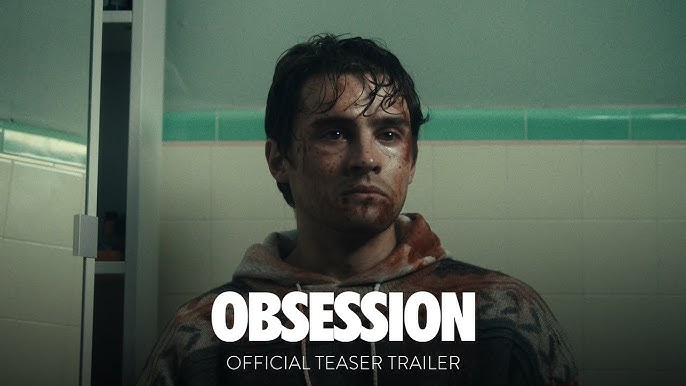
An Anatomy of Toxic Devotion: Curry Barker’s ‘Obsession’ Subverts the Monkey’s Paw Tradition
The classic folktale warning to “be careful what you wish for” receives a devastating, modern, and deeply unsettling transformation in Obsession (2026). Directed by internet sketch-comedian turned horror auteur Curry Barker and distributed by Focus Features, this highly anticipated psychological horror-thriller dissects the toxic nature of forced infatuation and the total destruction of romantic autonomy.
Originally premiering in the Midnight Madness section at the Toronto International Film Festival (TIFF), Obsession has rapidly shifted from an indie darling built on a modest budget into a bonafide box office sensation. Melding the bleak existential dread of a supernatural curse with the cringe-inducing situational comedy of toxic modern dating, the film stands out as a uniquely polarizing and deeply effective cinematic work.
Technical Overview and Cast Information
Before diving into the narrative architecture, an outline of the primary production credits establishes the framework of this breakout horror hit:
| Attribute | Details |
| Title | Obsession |
| Director / Writer / Editor | Curry Barker |
| Lead Cast | Michael Johnston, Inde Navarrette, Cooper Tomlinson, Megan Lawless, Andy Richter |
| Production Companies | Capstone Pictures, Tea Shop Productions, Blumhouse Productions |
| Genre | Psychological Horror / Supernatural Thriller |
| Runtime | 109 Minutes |
| Budget | $1 million |
| U.S. Release Date | May 15, 2026 |
| Distributor | Focus Features (Domestic) / Universal Pictures (International) |
Full Plot Synopsis
The narrative centers on Baron “Bear” Bailey (Michael Johnston), a meek, passive-aggressive young man employed at a local Los Angeles music store owned by Carter Harper (Andy Richter). For years, Bear has harbored a silent, paralyzing infatuation with his co-worker and childhood friend, Nikki Freeman (Inde Navarrette). Nikki is vibrant, charismatic, and the clear emotional anchor of their tight-knit social group, which includes Carter’s daughter Sarah (Megan Lawless) and their mutual friend Ian (Cooper Tomlinson).
The fragile status quo of Bear’s unrequited love shatters when Nikki casually announces she is quitting her job to pursue other opportunities. Panicked by the reality of losing her presence, Bear visits an eccentric, millennial-targeted local mystic shop filled with crystals, incense, and overpriced occult novelty items. There, an employee named Viola (Haley Fitzgerald) points him toward a bizarre product labeled the “One Wish Willow.”
Later that evening, after a failed, tongue-tied attempt to express his genuine feelings to Nikki, a frustrated and desperate Bear follows the novelty box’s instructions. He snaps the willow stick and makes an explicit, absolute demand: he wishes for Nikki to love him more than anyone else in the world.
The next day, the supernatural mechanism takes effect with terrifying immediacy. Nikki approaches Bear, claiming that she was merely masking her true feelings before and confesses an intense, sudden devotion to him. Initially, Bear is ecstatic, believing his romantic fantasies have seamlessly crossed over into reality. However, the wish does not manifest as a healthy romance; it operates like a supernatural addiction.
The first stark indicator of severe mental contamination occurs when Bear’s cat, Sandy, goes missing. Bear discovers that Nikki has retrieved the dead animal’s body from the trash and constructed a bizarre, ritualistic memorial with the remains. When confronted, Nikki smoothly gaslights him, chalking her erratic behavior up to a heavy dose of MDMA and a hyper-passionate urge to prove her love.
[Bear's Wish] ---> [Supernatural Shift] ---> [Total Loss of Autonomy] ---> [Escalating Violence]
Within forty-eight hours, Nikki’s devotion morphs into a suffocating, hyper-fixated mania. She stops eating, ignores her friends, and ceases sleeping, choosing instead to stand perfectly still in the pitch-black corners of Bear’s bedroom, watching him sleep with a wide, unblinking smile.
When Bear tries to establish boundaries, Nikki’s psychological state fractures further. She experiences terrifying crying fits where her voice sounds unnaturally warped—as if an external entity is crying out through her vocal cords.
As the narrative crosses its midpoint, the true horror of Bear’s actions is laid bare. Nikki is consciously aware of her psychological imprisonment. During a brief moment of horrifying lucidity, she breaks down, weeping and explicitly begging Bear to kill her to free her from the agony of the forced obsession. Bear, driven by severe narcissism and an algorithmic desire to be prioritized, refuses to undo the wish, instead asking: “Is being with me really that bad?”
When friends Ian and Sarah attempt an intervention after witnessing Nikki’s erratic, emaciated behavior at a social gathering, the supernatural entity anchoring the wish turns violent. Sarah later reveals a devastating secret to Bear: Ian and Nikki had actually been in a casual sexual relationship for years, completely upending Bear’s perception of his perfect crush.
The final act spirals into a chaotic, claustrophobic nightmare within Bear’s apartment. The entity completely possesses Nikki’s broken physiology, stripping away the dark comedic layer to reveal an unforgiving metaphor for relational entitlement.
Detailed Critical Analysis
Themes: The Monster of Romantic Entitlement
At its thematic core, Obsession is a scathing deconstruction of the “Nice Guy” trope and the deeply toxic desire to possess another human being. Unlike traditional creature features, the true monster of the film is not the entity within the One Wish Willow; it is Bear’s complete lack of empathy.
The screenplay expertly positions the supernatural curse as an extreme exaggeration of real-world toxic relationships. By stripping Nikki of her agency, the film forces the audience to confront the horror of total control. It becomes a vivid allegory for gaslighting and emotional captivity, where the victim’s identity is completely erased to feed the partner’s ego.
Performance: Inde Navarrette’s Star-Making Turn
While Michael Johnston plays the pathetic, frustratingly detached protagonist with calculated precision, the film undeniably belongs to Inde Navarrette. Her performance as Nikki is nothing short of award-caliber, demanding an immense amount of physical and emotional range.
Navarrette transitions seamlessly from a charming, relatable young woman into a terrifyingly manic presence. She executes complex tonal shifts—often within the same scene—moving from bone-chilling, wide-eyed stares to sudden bursts of hysterical laughter and heartbreaking vulnerability.
The physical control she displays during the film’s quietest moments, such as the infamous bedroom corner sequence, creates a primal sense of unease that lingers far longer than standard Hollywood jumpscares.
Direction and Visual Style
Director Curry Barker translates his extensive background in short-form situational internet comedy (notably from his viral YouTube channel that’s a bad idea) into a highly unique structural asset for horror. Comedy and horror both rely heavily on timing, subversion, and the manipulation of audience expectations. Barker utilizes this overlap masterfully, building scenes to a crescendo of awkwardness that causes the audience to laugh, only to immediately drop them into a state of sheer terror.
Working closely with cinematographer Taylor Clemons, Barker establishes a distinct visual language characterized by center-composed framing and excessive, uncomfortable headspace. This deliberate composition emphasizes the profound isolation of the characters, trapping them within rigid frames.
The film’s lighting design utilizes heavy, oppressive shadows, particularly inside Bear’s desaturated apartment, turning mundane domestic spaces into dark, cavernous voids where danger hides in plain sight.
Sound and Screenplay
The auditory landscape of Obsession relies heavily on the terrifying use of silence and sudden ambient drops. Rather than relying on traditional jump-scare stingers, Barker uses low, vibrating bass frequencies and hyper-realistic, amplified human noises—such as heavy breathing, wet eye-blinks, and bone-cracking movements—to induce nausea.
The screenplay, written by Barker, is sharp, lean, and deeply conversational. The dialogue among the core group of friends feels authentic and natural, which makes Nikki’s subsequent linguistic shifts into obsessive, repetitive phrases feel incredibly jarring and unnatural.
Strengths and Weaknesses
Strengths
-
Powerhouse Lead Performance: Inde Navarrette delivers an electrifying, physically demanding performance that anchors the entire film.
-
Masterful Tonal Balancing: Barker successfully blends absurdist, observational dark humor with deeply distressing psychological horror.
-
Subversive Premise: The film completely upends the traditional “be careful what you wish for” trope by focusing heavily on the abuser’s psychological refusal to give up power.
-
Tension Construction: Uses lingering wide shots and shadow play rather than relying on cheap, predictable audio cues.
Weaknesses
-
Generic Third-Act Climax: The final confrontation shifts into a loud, frantic pace that briefly resembles a standard studio horror film, losing some of the sharp wit that defined the first two acts.
-
Unlikable Protagonist: Bear’s intentional lack of redeeming qualities may alienate viewers who require a sympathetic lead character to anchor their viewing experience.
Final Verdict
Obsession is an unsparing, deeply unsettling masterclass in low-budget genre filmmaking. By treating romantic entitlement as a literal, body-warping curse, Curry Barker has crafted a horror film that is intensely relevant to contemporary conversations surrounding consent, ego, and relationship dynamics. Backed by a phenomenal performance from Inde Navarrette, it easily cements itself as one of the most inventive and genuinely terrifying horror offerings of 2026.