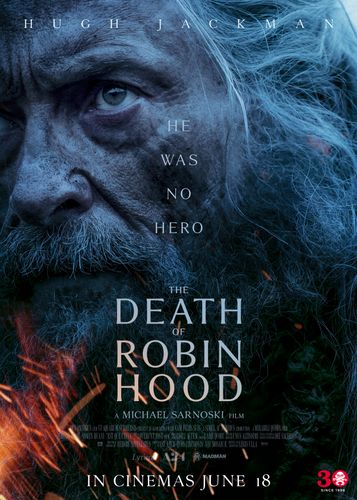
The Death of Robin Hood (2026): Hugh Jackman Leads a Haunting Reimagining of a Legendary Hero
The enduring legend of Robin Hood has inspired countless adaptations across literature, television, and cinema. Yet The Death of Robin Hood (2026) takes a markedly different approach to the famous outlaw’s story. Rather than revisiting his celebrated exploits in Sherwood Forest, the film focuses on the final chapter of his life, offering a mature and emotionally layered exploration of mortality, redemption, and legacy.
Directed and written by Michael Sarnoski, the historical drama stars Hugh Jackman as an aging Robin Hood confronting the consequences of a life shaped by rebellion, violence, and myth. Supported by a talented cast that includes Jodie Comer, Bill Skarsgård, Murray Bartlett, and Noah Jupe, the film presents a thoughtful reinterpretation of one of folklore’s most recognizable figures.
Combining atmospheric storytelling with strong performances and a reflective narrative, The Death of Robin Hood stands as one of the most distinctive historical dramas of 2026.
Movie Information
| Title | The Death of Robin Hood |
|---|---|
| Release Year | 2026 |
| Genre | Historical Drama, Thriller |
| Director | Michael Sarnoski |
| Writer | Michael Sarnoski |
| Starring | Hugh Jackman, Jodie Comer, Bill Skarsgård, Murray Bartlett, Noah Jupe |
| Runtime | 123 Minutes |
| Language | English |
| Distributor | A24 |
Synopsis
The story follows Robin Hood during the twilight years of his life. Far removed from the heroic image immortalized in folklore, Robin is now a weary and wounded man carrying the burden of his past decisions.
After suffering a serious injury, he finds himself isolated and vulnerable. As he recovers under the care of a mysterious woman, memories of his former life begin to resurface. The once-celebrated outlaw is forced to confront painful truths about his actions, his relationships, and the legacy he will leave behind.
The film explores Robin’s struggle to reconcile the myth that history remembers with the reality of the man he truly was. As his health deteriorates and his journey nears its end, he embarks on a path of self-examination that challenges everything he once believed about heroism and justice.
Unlike traditional Robin Hood adventures, the narrative emphasizes emotional introspection over action, creating a poignant character study of a legendary figure facing his own mortality.
A Fresh Perspective on a Familiar Legend
Robin Hood has traditionally been portrayed as a noble outlaw who steals from the rich and gives to the poor. Most cinematic adaptations celebrate his courage, charisma, and daring adventures.
The Death of Robin Hood departs from this formula by focusing on the aftermath of a life spent fighting authority. Instead of presenting Robin as an invincible hero, the film examines the psychological and emotional toll of his choices.
This approach transforms the familiar folklore into a deeply human story. By stripping away much of the romanticism associated with the character, the film invites audiences to reconsider the meaning of heroism and the complexities that often lie behind legendary reputations.
The result is a version of Robin Hood that feels more authentic, vulnerable, and relatable than many previous interpretations.
Hugh Jackman’s Compelling Performance
At the center of the film is Hugh Jackman’s remarkable portrayal of the aging outlaw. The role allows the actor to showcase both his physical presence and emotional depth.
Jackman presents Robin Hood as a man haunted by memories and regrets. His performance captures the weariness of age while maintaining the strength and determination that once defined the legendary hero.
Rather than relying on grand speeches or dramatic displays, Jackman delivers a restrained and nuanced performance. Through subtle expressions and quiet moments of reflection, he communicates the internal struggles of a man coming to terms with the end of his journey.
His portrayal adds significant emotional weight to the story and serves as the foundation upon which the film’s themes are built.
Supporting Cast Delivers Strong Performances
The film benefits from an accomplished supporting cast that enhances its emotional and dramatic impact.
Jodie Comer plays a pivotal role as the woman who becomes closely connected to Robin during his final days. Her performance brings warmth, intelligence, and mystery to the narrative, creating a compelling dynamic between the two characters.
Bill Skarsgård offers a memorable interpretation of Little John, portraying the longtime companion with depth and emotional complexity. His scenes provide important insights into Robin’s past and highlight the enduring bonds forged through shared experiences.
Murray Bartlett and Noah Jupe contribute meaningful supporting performances that further enrich the film’s world and reinforce its themes of memory, loyalty, and personal growth.
Together, the ensemble cast helps create a believable and emotionally resonant story.
Direction and Storytelling
Michael Sarnoski continues to demonstrate a distinctive filmmaking style characterized by emotional authenticity and character-driven narratives.
In The Death of Robin Hood, he prioritizes atmosphere and introspection over large-scale action sequences. The story unfolds at a deliberate pace, allowing audiences to engage with the protagonist’s emotional journey and the philosophical questions raised by the narrative.
Sarnoski’s direction emphasizes subtle storytelling, using silence, imagery, and character interactions to communicate meaning. This restrained approach gives the film a sense of intimacy rarely found in historical dramas.
By focusing on personal reflection rather than spectacle, the director creates a cinematic experience that feels both timeless and deeply personal.
Visual Style and Cinematography
The film’s visual presentation plays a crucial role in establishing its tone and atmosphere.
The cinematography captures the rugged beauty of medieval landscapes through expansive natural vistas and carefully composed imagery. Forests, valleys, and remote settlements are depicted with realism and attention to detail, creating an immersive historical setting.
Natural lighting and muted color palettes reinforce the film’s themes of aging and mortality. Shadows, mist, and changing weather conditions contribute to a somber yet visually striking aesthetic.
Every frame reflects the emotional state of the protagonist, making the environment feel like an extension of Robin’s internal struggles.
This visual approach helps distinguish the film from more conventional adaptations and strengthens its dramatic impact.
Themes and Symbolism
Mortality and Acceptance
One of the film’s central themes is the inevitability of death. Robin Hood, once regarded as an unstoppable force, must confront the reality that even legends cannot escape mortality.
His journey becomes a meditation on acceptance and the search for peace in life’s final moments.
Redemption and Reflection
The narrative explores whether redemption remains possible after a lifetime of mistakes and difficult choices. Robin’s reflections encourage audiences to consider the value of self-awareness and personal accountability.
Legacy and Memory
The film raises important questions about how individuals are remembered. It examines the contrast between public perception and private reality, highlighting the ways in which myths can overshadow truth.
The Human Behind the Legend
By focusing on Robin’s vulnerabilities and regrets, the story humanizes a figure often portrayed as larger than life. This perspective allows the audience to connect with the character on a deeper emotional level.
Why The Death of Robin Hood Is One of 2026’s Most Notable Films
Several factors contribute to the film’s significance:
- A unique and mature interpretation of a classic legend.
- Hugh Jackman’s emotionally rich lead performance.
- Thoughtful direction from Michael Sarnoski.
- Strong supporting performances from an accomplished cast.
- Atmospheric cinematography and authentic historical presentation.
- Powerful themes that resonate beyond the boundaries of the genre.
These elements combine to create a film that appeals to both fans of historical dramas and audiences seeking meaningful character-driven storytelling.
Final Thoughts
The Death of Robin Hood (2026) offers a bold and introspective reimagining of one of the world’s most enduring folk heroes. By focusing on Robin Hood’s final days rather than his legendary adventures, the film delivers a compelling exploration of mortality, redemption, and legacy.
Anchored by Hugh Jackman’s outstanding performance and guided by Michael Sarnoski’s thoughtful direction, the film transforms familiar folklore into a poignant and emotionally engaging drama. Its reflective narrative, striking visuals, and mature themes ensure that it stands apart from previous adaptations.
For viewers interested in historical dramas that prioritize character depth and emotional resonance, The Death of Robin Hood represents one of the most intriguing cinematic experiences of 2026.
Review Schema (JSON-LD)
{
  "@context": "https://schema.org",
  "@type": "Review",
  "itemReviewed": {
    "@type": "Movie",
    "name": "The Death of Robin Hood",
    "datePublished": "2026",
    "genre": ["Historical Drama", "Thriller"],
    "director": {
      "@type": "Person",
      "name": "Michael Sarnoski"
    },
    "actor": [
      {
        "@type": "Person",
        "name": "Hugh Jackman"
      },
      {
        "@type": "Person",
        "name": "Jodie Comer"
      },
      {
        "@type": "Person",
        "name": "Bill Skarsgård"
      },
      {
        "@type": "Person",
        "name": "Murray Bartlett"
      },
      {
        "@type": "Person",
        "name": "Noah Jupe"
      }
    ]
  },
  "author": {
    "@type": "Organization",
    "name": "Film Editorial"
  },
  "reviewRating": {
    "@type": "Rating",
    "ratingValue": "8.5",
    "bestRating": "10"
  },
  "reviewBody": "The Death of Robin Hood delivers a mature and emotionally compelling reinterpretation of the legendary outlaw, combining strong performances, atmospheric filmmaking, and thought-provoking themes about mortality, redemption, and legacy."
}