
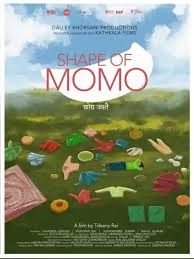
Shape of Momo (2026) Synopsis: Tribeny Rai’s Emotional Himalayan Drama Explores Identity, Family, and Tradition
Shape of Momo (2026) Movie Synopsis
Shape of Momo (2026) is a heartfelt Himalayan drama directed by Tribeny Rai that explores the emotional realities of womanhood, family expectations, and personal identity within a traditional mountain community.
Set in the scenic region of Sikkim, the film follows Bishnu, a young woman who returns to her ancestral village after leaving her job and urban life in Delhi behind. What begins as a temporary visit soon becomes a deeply personal journey of self-discovery and emotional reckoning.
Back home, Bishnu reconnects with the women in her family, including her mother, grandmother, and sister. Through their daily struggles, silent sacrifices, and emotional resilience, she begins to understand how generations of women have lived under the pressure of cultural expectations and rigid gender roles.
As Bishnu attempts to redefine her future, she finds herself confronting traditions that dictate how women should behave, love, marry, and sacrifice. Her growing desire for independence gradually creates tension within the household while also inspiring difficult conversations about change and freedom.
The title Shape of Momo serves as a symbolic metaphor throughout the story. Much like a perfectly folded momo dumpling, women in the community are expected to fit into idealized roles designed by society. The film uses this imagery to examine conformity, identity, and the emotional cost of suppressing individuality.
Shape of Momo (2026) Story Overview
Unlike conventional dramas that rely heavily on dramatic twists, Shape of Momo unfolds through intimate character interactions and emotionally layered storytelling. The narrative focuses on subtle moments, family dynamics, and personal reflection, creating an authentic portrayal of life in a Himalayan village.
The film captures the emotional distance between generations while highlighting the invisible burdens carried by women in patriarchal environments. Bishnu’s journey becomes both personal and universal as she struggles to balance modern independence with inherited traditions.
Throughout the film, themes of belonging, migration, memory, and emotional survival remain central to the narrative.
Main Characters in Shape of Momo
Bishnu
Bishnu is the emotional center of the film. Having experienced life outside her village, she returns home with a new perspective that challenges long-standing traditions and expectations.
Bishnu’s Mother
Her mother represents a generation of women who have learned to endure hardship quietly. Through her character, the film examines sacrifice, resilience, and emotional silence.
Bishnu’s Grandmother
The grandmother reflects older cultural values while also carrying unspoken dreams and regrets that influence the family’s emotional history.
Bishnu’s Sister
Her sister’s experiences highlight another perspective on womanhood, marriage, and societal pressure within the community.
Themes Explored in Shape of Momo
Gender Expectations
The film examines how women are expected to conform to predetermined roles within traditional societies.
Identity and Self-Discovery
Bishnu’s return home forces her to confront questions about who she is and where she belongs.
Family and Generational Conflict
The relationships between mothers, daughters, and sisters form the emotional foundation of the story.
Tradition Versus Change
The film thoughtfully explores whether cultural traditions can evolve without losing their meaning and identity.
Visual Atmosphere and Setting
The Himalayan landscapes of Sikkim play a major role in shaping the film’s emotional atmosphere. Misty mountains, narrow village roads, and traditional homes create a visually immersive experience that reflects the characters’ emotional isolation and longing.
The cinematography emphasizes realism and natural beauty, allowing the audience to fully experience the world of the film.
Why Shape of Momo Is Gaining Attention
Following its international festival screenings, Shape of Momo has become one of the most talked-about independent films of 2026. Critics and audiences have praised the film for its emotional authenticity, culturally grounded storytelling, and powerful performances.
Tribeny Rai’s directorial debut has also been recognized for bringing fresh visibility to stories from India’s Himalayan and northeastern regions.
The film’s universal themes and emotionally resonant narrative continue to attract global attention from viewers seeking meaningful and socially relevant cinema.
Final Thoughts
Shape of Momo (2026) is an emotionally rich and visually striking drama that explores family, tradition, and personal freedom through deeply human storytelling. Through Bishnu’s journey, the film offers a powerful reflection on gender roles, emotional inheritance, and the search for identity in a rapidly changing world.
With strong performances, thoughtful direction, and authentic cultural representation, Shape of Momo stands out as one of the most important independent films of 2026.
SEO Keywords
- Shape of Momo 2026 synopsis
- Shape of Momo movie plot
- Shape of Momo ending explained
- Tribeny Rai Shape of Momo
- Shape of Momo cast and story
- Himalayan drama movies 2026
- Nepali language movies 2026
- Shape of Momo review and synopsis
- Independent films 2026
- Shape of Momo Bishnu character
Schema Markup
{
  "@context": "https://schema.org",
  "@type": "Movie",
  "name": "Shape of Momo",
  "datePublished": "2026-05-29",
  "genre": [
    "Drama",
    "Family"
  ],
  "director": {
    "@type": "Person",
    "name": "Tribeny Rai"
  },
  "actor": [
    {
      "@type": "Person",
      "name": "Gaumaya Gurung"
    },
    {
      "@type": "Person",
      "name": "Pashupati Rai"
    },
    {
      "@type": "Person",
      "name": "Shyama Shree Sherpa"
    }
  ],
  "description": "Shape of Momo is a 2026 Himalayan drama directed by Tribeny Rai that follows a young woman returning to her ancestral village, where she confronts family expectations, gender roles, and questions of identity within a traditional community."
}