
Striking a Chord: John Carney’s ‘Power Ballad’ Hits a Charming But Minor Note
Irish auteur John Carney has spent the better part of two decades establishing himself as the undisputed poet laureate of the modern musical dramedy. From the stripped-back, busker-romance indie magic of Once (2007) to the nostalgic, coming-of-age euphoria of Sing Street (2016), Carney’s filmography operates on a foundational truth: songwriting is an act of spiritual survival.
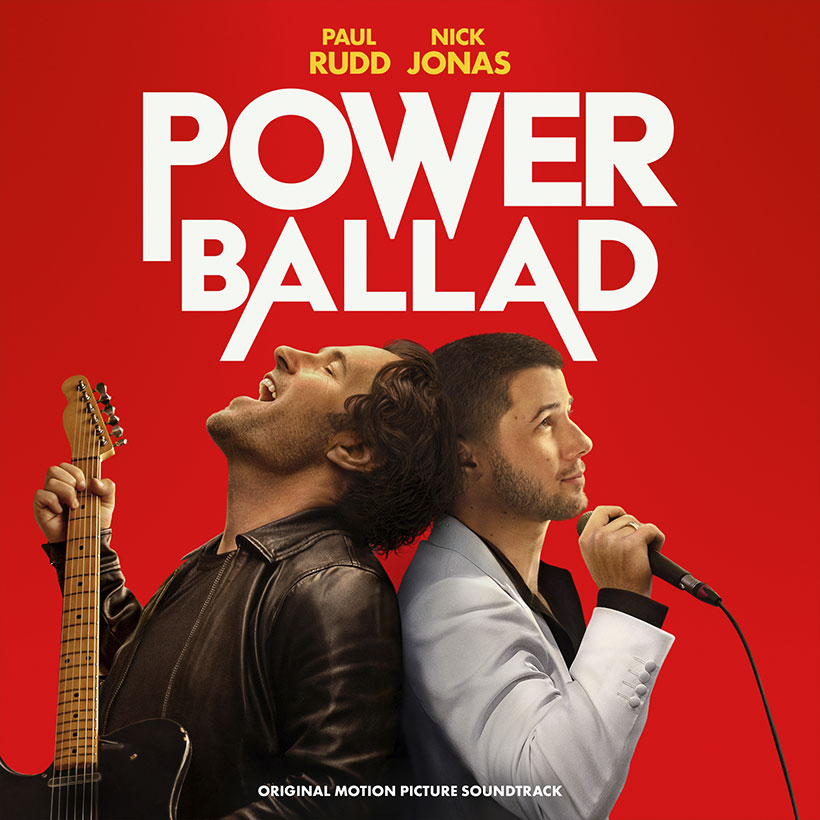
His latest feature, Power Ballad (2026), transports this core philosophy from the damp streets of Dublin to the hyper-commercialized, ego-driven realities of the contemporary music industry. Led by an impeccably cast duo of Paul Rudd and Nick Jonas, the film navigates the razor-thin line between artistic ownership, mid-life disillusionment, and the intoxication of a global pop hit.
While it lacks the heavy emotional wallop of his finest work, Power Ballad succeeds as a slick, highly entertaining, and frequently hilarious exploration of creative jealousy and mid-life redemption.
Power Ballad (2026): Key Film Specifications
For cinephiles and industry trackers, the production details highlight a fascinating creative bridge between transatlantic star power and distinct Irish filmmaking sensibilities.
| Attribute | Film Metadata |
| Title | Power Ballad |
| Release Date | May 29, 2026 (Limited), June 5, 2026 (Wide) |
| Director | John Carney |
| Screenplay | John Carney, Peter McDonald |
| Running Time | 98 minutes |
| MPAA Rating | R / M (Coarse Language) |
| Lead Cast | Paul Rudd, Nick Jonas, Havana Rose Liu, Jack Reynor |
| Primary Genre | Musical Comedy-Drama / Dramedy |
| Distributor | Independent / International Platform Release |
The Plot: A Late-Night Jam and a High-Stakes Betrayal
The narrative engine of Power Ballad is driven by a premise that is both instantly relatable and ripe for comedic friction.
The Chance Encounter
Rick (Paul Rudd) is a past-his-prime rock enthusiast who has traded his dreams of stadium glory for the reliable, if slightly soul-crushing, gig of fronting a local wedding band. He is a purist, a man who views music through a lens of raw authenticity, even as he belts out generic pop covers to intoxicated wedding guests.
His world collides with Danny (Nick Jonas), a fading former boy-band sensation desperately trying to manufacture an “edgy” solo identity to rescue his plummeting cultural relevance. Following a chance meeting after a chaotic gig, the two men engage in a liquor-fueled, late-night jam session. Striking a fragile, alcohol-induced kinship, they co-write a rough, deeply emotional anthem—a true power ballad.
The Creative Theft
The status quo shatters six months later. Rick, still grinding on the wedding circuit, is stunned to discover that Danny has polished, recorded, and released their drunken improvisation as his new solo comeback single. The song explodes into a global phenomenon, catapulting Danny back to the top of the charts.
The catch? Rick’s name is completely absent from the credits, and Danny is claiming sole authorship of the masterpiece.
The Battle for Co-Authorship
What follows is a legal and psychological tug-of-war. Refusing to be relegated to an industry footnote, Rick launches a relentless campaign to claim the recognition—and the fortune—he believes he is owed. As Danny’s solo arena tour looms, Rick’s obsession with securing his legacy begins to alienate his wife Rachel (Marcella Plunkett), his daughter, and his closest friends. The narrative shifts from a simple satire of the music business into a cautionary tale about how the desperate pursuit of validation can blind a person to the genuine wealth already present in their life.
Detailed Critique: Direction, Performances, and Audio-Visual Craft
Direction: John Carney’s Transition to a Sleeker Canvas
John Carney has always preferred a loose, documentary-style intimacy in his visuals. In Power Ballad, he adopts a noticeably glossier, more conventional Hollywood aesthetic. Working alongside his co-writer Peter McDonald, Carney maintains his signature warmth and sharp ear for dialogue, but the pacing feels noticeably snappier, optimized for broader comedic timing.
The transition is mostly successful, though purists may miss the melancholic, rainy-day grit that defined Once. Carney remains a master at capturing the literal spark of musical creation; the sequence featuring the initial late-night writing session between Rick and Danny is the film’s undisputed high point, crackling with spontaneous, kinetic energy.
Performances: The Brilliant Synergy of Rudd and Jonas
The film’s ultimate saving grace is the unexpected, magnetic chemistry between its two leads.
-
Paul Rudd delivers a performance anchored by an underlying, mid-life anxiety. He sidesteps his usual effortlessly charming persona to give Rick a desperate, slightly cynical edge that makes his obsessive quest for credit entirely believable. It is a mature, layered turn that balances comedic exasperation with genuine vulnerability.
-
Nick Jonas is a revelation as Danny, playing a hyper-exaggerated, self-aware variation of the modern pop star archetype. Jonas leans heavily into Danny’s insecure vanity without turning him into a cartoon villain. He portrays a man trapped by his own brand, terrified of obscurity, making his theft of the song feel born out of desperation rather than malice.
-
Havana Rose Liu and Jack Reynor provide excellent supporting turns, offering a grounded contrast to the escalating, ego-fueled war between the main characters.
Visual Style and Cinematography
The cinematography effectively establishes a visual dichotomy between Rick’s and Danny’s worlds. Rick’s life is captured in warm, organic tones—poorly lit pub stages, cozy but cluttered family kitchens, and the fluorescent glare of local reception halls.
Conversely, Danny’s world is defined by cold, sleek, stadium-grade lighting, neon backdrops, and minimalist recording studios. This visual contrast perfectly reinforces the thematic rift between authentic artistry and commercialized stardom.
Soundtrack and Original Music
A John Carney film lives or dies by its music, and Power Ballad delivers an exceptionally catchy, narrative-propelling soundtrack. The titular song itself had to be an undeniable earworm for the plot to function, and the songwriting team successfully creates a track that feels both like an emotional indie confession and a multi-platinum stadium anthem. The film uses diegetic music seamlessly, ensuring that the songs never pause the narrative, but rather advance character development.
Strengths and Weaknesses
Strengths
-
Dynamic Lead Performances: Rudd and Jonas elevate a relatively straightforward script with great comedic timing and emotional commitment.
-
Exceptional Musical Composition: The central track is genuinely strong enough to justify the narrative’s high-stakes conflict.
-
Sharp Industry Satire: The screenplay offers an insightful, witty look into modern pop stardom, viral marketing, and corporate music machinery.
-
Snappy Runtime: At 98 minutes, the film is incredibly well-paced, never overstaying its welcome.
Weaknesses
-
Lower Dramatic Stakes: Compared to Once or Sing Street, the emotional resonance feels lighter and more predictable.
-
Glossy Execution: The grittier, indie authenticity that made Carney a household name among cinephiles is partly smoothed over in favor of commercial appeal.
-
Underdeveloped Subplots: The strain on Rick’s domestic life occasionally takes a back seat to the central battle of egos, leaving his family dynamics slightly under-explored.
Final Verdict
Power Ballad may not reach the transcendent, tear-jerking heights of John Carney’s previous masterworks, but it stands as his most flat-out entertaining film in a decade. Driven by a fantastic performance from Paul Rudd and a beautifully self-deprecating turn from Nick Jonas, it is a warm, sharp-witted crowd-pleaser that finds the sweet spot between mainstream comedy and earnest musical drama. It is an easy recommendation for anyone who believes in the power of a great melody and the messy human beings who write them.
Final Rating: 3.5 out of 5 Stars
Review Schema
{
  "@context": "https://schema.org/",
  "@type": "Review",
  "itemReviewed": {
    "@type": "Movie",
    "name": "Power Ballad",
    "image": "",
    "dateCreated": "2026",
    "director": {
      "@type": "Person",
      "name": "John Carney"
    },
    "actor": [
      {
        "@type": "Person",
        "name": "Paul Rudd"
      },
      {
        "@type": "Person",
        "name": "Nick Jonas"
      }
    ]
  },
  "reviewRating": {
    "@type": "Rating",
    "ratingValue": "3.5",
    "bestRating": "5",
    "worstRating": "1"
  },
  "author": {
    "@type": "Person",
    "name": "Film Critic"
  },
  "reviewBody": "John Carney's Power Ballad is a highly entertaining, sharp-witted musical dramedy. While it trades some of Carney's trademark indie grit for a glossier commercial sheen, the outstanding chemistry between Paul Rudd and Nick Jonas delivers a genuinely funny and warm exploration of creative ownership and mid-life redemption."
}