
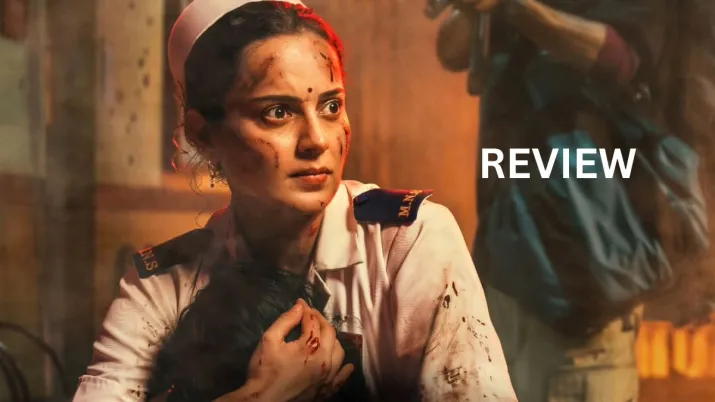
Bharat Bhhagya Viddhaata Movie Review: A Griping, Restrained Tribute to the Unsung Heroes of 26/11
The tragic events of the November 2008 Mumbai terror attacks have been re-examined by filmmakers multiple times, typically through the lens of elite commandos, frontline police officers, or luxury hotel guests. However, director Manoj Tapadia’s Bharat Bhhagya Viddhaata (2026) shifts the focus toward an entirely different, overlooked epicenter of survival: the Cama & Albless Hospital for women and children.
Co-produced by Kangana Ranaut under her Manikarnika Films banner, this Hindi-language biographical thriller offers a humanistic look at the everyday institutional workers—primarily nurses, mid-level doctors, and hospital ward staff—who stood between heavily armed terrorists and hundreds of defenseless patients. Released theatrically on June 12, 2026, the film opts out of sensationalized action, delivering instead an intense chamber piece focused on civilian resilience and tactical survival under siege.
Technical Overview and Cast
Before diving into the narrative structure, the technical profile outlines the key personnel behind the production:
| Detail | Specifications |
| Director & Writer | Manoj Tapadia |
| Producers | Kangana Ranaut, Babita Ashiwal, Shailesh R. Singh, Dhaval Jayantilal Gada, Adi Sharmaa |
| Lead Cast | Kangana Ranaut, Girija Oak Godbole, Smita Tambe, Esha Dey, Prasad Oak |
| Cinematographer | Ayan Sil |
| Editor | Dev Rao Jadhav |
| Music Composers | G. V. Prakash Kumar (Songs), Sanchit & Ankit Balhara (Background Score) |
| Production Houses | Pen Studios, Manikarnika Films, Paramhans Creations, Eunoia Films |
| Release Date | June 12, 2026 |
| Runtime | 127 Minutes |
Full Plot Synopsis
Bharat Bhhagya Viddhaata takes place entirely over a tense, compressed timeline mimicking the terrifying night of November 26, 2008. The story is heavily inspired by real-life healthcare professionals, notably nurse Anjali Kulthe, who famously secured a maternity ward containing vulnerable pregnant women during the real-world siege.
The narrative introduces Chitra (Kangana Ranaut), a highly dedicated senior nurse working the night shift at Mumbai’s state-run Cama Hospital. It is a routine evening filled with imminent childbirths, postpartum recoveries, and minor emergencies. Chitra works alongside her colleagues, including a fiercely pragmatic senior nurse played by Smita Tambe and a younger, visibly anxious trainee played by Girija Oak Godbole.
The atmosphere changes abruptly when gunfire and explosions ring out across South Mumbai, eventually drawing closer to the hospital gates. Two heavily armed terrorists scale the hospital walls, seeking a tactical vantage point and firing indiscriminately at security staff. Realizing that local authorities are spread thin across multiple high-profile locations in the city, Chitra and the staff find themselves entirely isolated.
With over 400 patients trapped inside the facility—including twenty heavily pregnant women in the advanced stages of labor and newborns in incubators—the staff must transform from caregivers into strategic protectors. The plot tracks their quick-thinking survival tactics:
-
Securing the Wards: Chitra quickly coordinates the movement of patients into dark, locked inner rooms, disabling heavy machinery that could emit sound or light.
-
Silencing the Wards: The staff goes to extreme lengths to keep terrified patients quiet, including comforting crying infants and suppressing the noise of women actively going into labor without proper anesthesia.
-
Barricading Ingress Points: Using medicine carts, steel beds, and heavy filing cabinets, the nurses fortify the entry points to the maternity wing just minutes before the attackers reach their corridor.
As the terrorists patrol the dark hallways looking for hostages, a dangerous game of hide-and-seek ensues. The film carefully tracks the passage of time alongside the dwindling medical supplies and failing auxiliary power, building momentum toward the arrival of Mumbai police forces. The focus remains tightly locked inside the hospital walls, highlighting the emotional endurance required to survive the night.
Detailed Critique
Themes and Screenplay
Manoj Tapadia’s screenplay succeeds primarily by narrowing its scope. Rather than trying to capture the sweeping geopolitics of the 26/11 attacks, the script explores the concept of ordinary civic duty under extreme duress. It strips away conventional cinematic heroics, choosing to treat “heroism” as an exhausting, terrifying, and deeply collaborative effort. The title itself—borrowed from India’s national anthem meaning “Dispenser of India’s Destiny”—is intentionally re-contextualized to honor the underpaid working-class women who preserved lives on that horrific night.
Direction and Pacing
Tapadia exhibits notable restraint behind the camera. Given the historical trauma tied to the subject matter, the film could have easily fallen into exploitative sensationalism. Instead, the direction emphasizes tension over explicit gore. Tapadia relies on spatial geography—making the audience intimately familiar with the dark corridors, stairwells, and structural choke points of the hospital. The 127-minute runtime moves with a tight, claustrophobic momentum, though the second act experiences brief pacing lags during heavy-handed dialogue segments meant to reinforce emotional weight.
Acting and Performance
Kangana Ranaut delivers an internal, uncharacteristically understated performance as Chitra. Breaking away from her usual heightened screen personae, she plays Chitra with a quiet, bone-deep exhaustion. Her authority comes from professional competence rather than physical dominance.
The supporting cast provides essential dramatic ballast:
-
Smita Tambe is excellent, embodying the hardened resolve of a career public healthcare worker.
-
Girija Oak Godbole handles the audience’s proxy terror gracefully, charting an effective character arc from panic to institutional duty.
Visuals and Sound Design
Cinematographer Ayan Sil utilizes a muted, naturalistic color palette, relying heavily on low-light cinematography and natural shadows cast by emergency back-up lights. The handheld camera work is kinetic but never dizzying, effectively capturing the frantic energy of the situation.
The film’s strongest technical asset is its sound design. The background score by Sanchit and Ankit Balhara remains secondary to the ambient soundscape. The terrifying counterpoint of muffled gunshots outside, rhythmic footsteps on concrete, and the desperate attempts to stifle a newborn’s cry creates a deeply effective sense of acoustic dread.
Strengths & Weaknesses
Strengths
-
Unconventional Focus: Shifting the perspective of a national tragedy away from combatants and onto nurses and medical workers offers a fresh angle on an oft-told historical event.
-
Understated Performance by Ranaut: The lead actress gives a grounded, subtle performance that anchors the emotional weight of the film.
-
Strong Atmospheric Tension: The combination of naturalistic low-light cinematography and minimalist sound design creates a highly convincing sense of claustrophobia.
-
Respectful Treatment of Real Events: The film earned a rare zero-cut certification from the Central Board of Film Certification (CBFC) due to its focus on human resilience rather than graphic violence.
Weaknesses
-
Inconsistent Secondary Screenplay Elements: Some of the dialogue in the second act leans into explicit melodrama, breaking the otherwise grounded tone of the piece.
-
Predictable Structural Beats: Viewers well-versed in survival thrillers will easily spot familiar genre tropes as the narrative works through standard escalation beats.
Final Verdict
Bharat Bhhagya Viddhaata stands out as a sincere, technically polished entry into the crowded sub-genre of 26/11 cinematic accounts. By championing the real-world bravery of healthcare workers at Cama Hospital, Manoj Tapadia has crafted a thriller that values human life and resilience over action choreography. While it occasionally stumbles into conventional Bollywood melodrama, the film remains a deeply respectful, gripping tribute to everyday civic heroes. It is highly recommended for audiences looking for a focused, character-driven survival drama.